Professional Cleaning & Sanitization
Complete disinfection and sanitization services for water-damaged properties in St. Cloud, MN
Restoring Health and Safety After Water Damage
Water damage creates more than just structural problems – it introduces serious health and safety concerns that require professional cleaning and sanitization. When water infiltrates your property, it brings with it bacteria, viruses, and other contaminants that can pose significant health risks to occupants. St. Cloud Water Damage Restoration provides comprehensive cleaning and sanitization services using EPA-approved antimicrobial treatments to eliminate harmful microorganisms and restore a safe, healthy environment.
The contamination level depends on the source of the water damage. Clean water from burst pipes carries fewer contaminants than sewage backups or flood water, but all water damage situations require proper cleaning and sanitization. Even clean water becomes contaminated quickly when it sits in building materials, creating ideal breeding conditions for bacteria and other microorganisms. Within 24-48 hours, any standing water becomes a potential health hazard requiring professional treatment.
Understanding Water Contamination Categories
Professional water damage restoration recognizes three categories of water contamination, each requiring different cleaning and sanitization protocols. Category 1 water comes from sanitary sources like broken water lines or overflowing sinks. Category 2 water contains significant contamination from sources like washing machine overflows or toilet bowls with urine. Category 3 water is grossly contaminated from sources like sewage, flooding, or any water that has been sitting for more than 72 hours.
Our cleaning and sanitization protocols are tailored to the specific contamination category present. Category 1 water damage receives thorough cleaning with antimicrobial treatments to prevent microbial growth. Category 2 and 3 water damage require more aggressive sanitization procedures, including the use of stronger disinfectants and potentially the removal of porous materials that cannot be adequately cleaned. The EPA estimates that proper sanitization can reduce harmful microorganisms by 99.9% when performed correctly.
Health Protection Measures
- • EPA-approved antimicrobial treatments
- • HEPA air filtration during cleaning
- • Personal protective equipment for all technicians
- • Safe disposal of contaminated materials
Professional-Grade Cleaning Agents
Effective sanitization requires more than household cleaning products. We use hospital-grade disinfectants and EPA-registered antimicrobial solutions specifically designed for water damage restoration. These products are formulated to eliminate a broad spectrum of bacteria, viruses, fungi, and other microorganisms while being safe for use in occupied buildings when applied properly by trained professionals.
Our cleaning arsenal includes quaternary ammonium compounds for general disinfection, phenolic disinfectants for heavy contamination, and specialized enzyme cleaners that break down organic matter. We also use oxidizing agents like hydrogen peroxide for stubborn odors and stains. Each product is selected based on the specific contamination present and the surfaces being treated. Some disinfectants can eliminate 99.99% of harmful microorganisms within minutes of application when used at proper concentrations.
Surface-Specific Cleaning Protocols
Different surfaces require different cleaning approaches to achieve effective sanitization without causing damage. Hard, non-porous surfaces like tile, glass, and metal can withstand stronger disinfectants and more aggressive cleaning methods. Semi-porous surfaces like sealed wood and concrete require careful treatment to avoid damage while ensuring deep penetration of cleaning agents. Porous materials like unfinished wood, fabric, and paper may need specialized treatment or replacement if contamination is severe.
Our technicians are trained to identify appropriate cleaning methods for each surface type. Upholstered furniture may require steam cleaning with antimicrobial solutions, while drywall might need surface treatment followed by primer containing antimicrobial additives. Carpeting typically requires hot water extraction with disinfectants, and in severe contamination cases, carpet and padding may need complete replacement to ensure a healthy environment.
Air Quality and HVAC System Cleaning
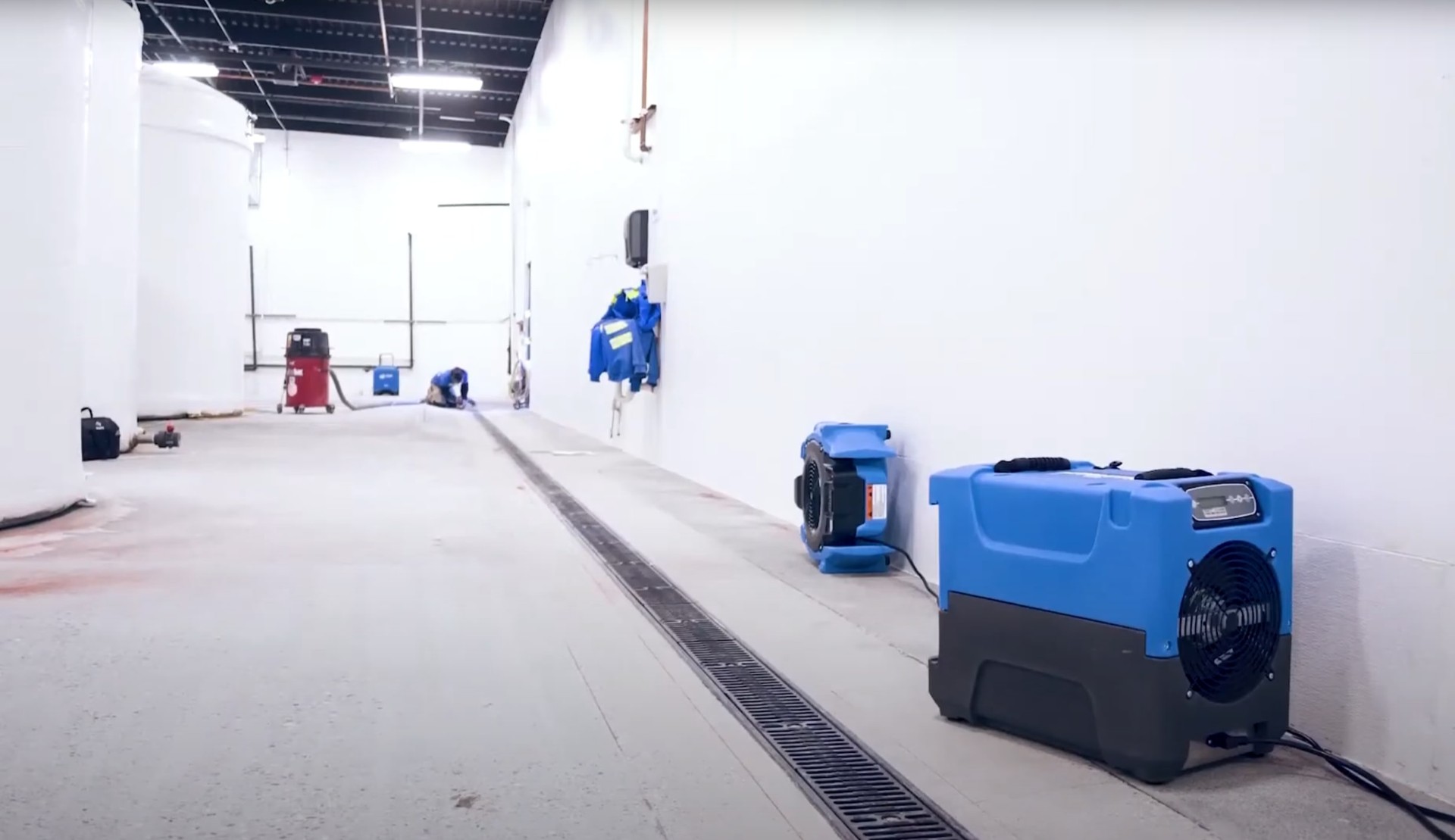
Water damage often affects indoor air quality as contaminants become airborne during the drying process. Our cleaning and sanitization services include air scrubbing with HEPA filters to remove particles and spores from the air. We also inspect and clean HVAC systems that may have circulated contaminated air throughout the property, ensuring that the entire indoor environment is properly sanitized.
HVAC ductwork can harbor moisture and contaminants that continue to affect air quality long after the initial water damage is resolved. We clean and sanitize ductwork when necessary, replace contaminated filters, and treat the entire HVAC system with appropriate antimicrobial solutions. This comprehensive approach ensures that contaminated air doesn't continue circulating throughout the building after restoration is complete.
Odor Elimination and Deodorization
Persistent odors are often a sign of ongoing contamination that requires more than surface cleaning. Our sanitization process includes targeted odor elimination using thermal fogging, ozone treatment, or hydroxyl generators depending on the source and severity of the odors. These advanced deodorization methods neutralize odor-causing molecules at the source rather than simply masking them with fragrances.
Some odors, particularly those from sewage or long-standing water damage, can penetrate deep into porous materials and require specialized treatment. We may use enzyme-based deodorizers that actually consume the organic matter causing odors, or oxidizing treatments that chemically neutralize odor molecules. The key is identifying the source of the odor and treating it with the appropriate technology rather than relying on temporary masking agents.
Post-Cleaning Verification and Documentation
Professional sanitization includes verification that cleaning has been effective. We use ATP (adenosine triphosphate) testing to measure biological contamination levels before and after cleaning, providing scientific proof that sanitization has been successful. This testing detects the presence of living microorganisms and helps ensure that all contaminated areas have been properly addressed.
We document our cleaning and sanitization procedures with detailed reports including the products used, application methods, areas treated, and verification test results. This documentation is valuable for insurance claims and provides peace of mind that your property has been restored to a safe, healthy condition. Our goal is not just to make things look clean, but to ensure they truly are clean and safe for occupancy.
Deep Cleaning
Comprehensive cleaning of all affected surfaces
EPA-Approved Products
Hospital-grade disinfectants and antimicrobials
Health Protection
Safe, healthy environment restoration